Main Categories: | Landscape | Fenceposts | Wildlife | Trees | Mushrooms | Art | Games || All Posts ||
for daily images, visit my ||Tumblr||
Showing posts with label archaeology. Show all posts

Monday, 25 September 2023

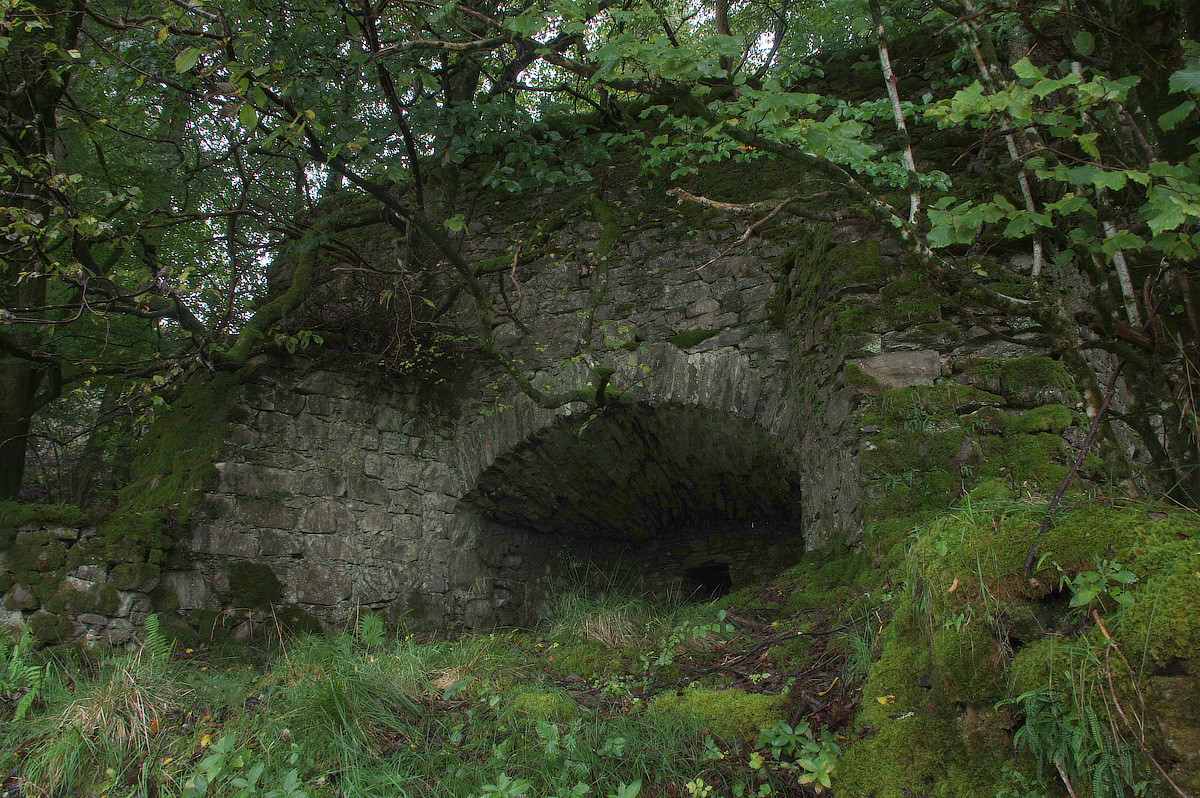
Otter Ferry Lime Kiln

 Some photographs of the Otter Ferry lime kiln.

view from the front:


view from the top:


Wednesday, 1 March 2023

Maps For Local Knowledge

 There are lots of wonderful resources available on-line to help you know more about places in Scotland.
Use these to embellish your knowledge of familar places, prep for an exploratory walk, or even browse them to find new places that might be worth a visit.


- Canmore - a fantastic map with thousands of archaeological records.
https://canmore.org.uk/site/search/result?SITECOUNTRY=0&view=map


- Nature Scotland has a map that outlines nature reserves and Sites of Special Scientific Interest - with links describing what is special in each site.
https://sitelink.nature.scot/map


- National library of Scotland has a number of old maps that can be browsed here. You can also view them overlayed on modern maps or satellite imagery to compare the current state with how things used to be.
https://maps.nls.uk/geo/explore/#zoom=16.0&lat=55.91865&lon=-5.22467&layers=5&b=1

- OS Name Books In conjunction with the above, you can look up nearly any place name on the Ordnance Survey maps in the following website to see the original notes in the the OS Name Books on the meaning and history of the name, often contain useful titbits of information in the descriptions.


https://scotlandsplaces.gov.uk/


- National Biodiversity Network lets you view maps of biological records for a particular species or higher taxon. They also allow you to browse all records near a specific location, which is a great way to find out what flora and fauna have been seen in a particular neck of the woods.
https://nbnatlas.org/


- British Geological Survey has a map viewer that indicates the various kinds of bedrock in your area.
https://geologyviewer.bgs.ac.uk/


Thursday, 9 April 2020

Mouldering in the Spruce Woods


A rather precarious chimney stack from a long abandoned cottage deep in the timber plantations of Glendaruel.


Monday, 4 April 2016

Knocking Stones

Over the years, looking out for cup-and-ring marked rocks in Argyll, I've found a number of these deep, bowl shaped depressions in boulders or bed-rock. All are next to long-standing farmsteads, and I have just recently found out what they are: Knocking Stones.

Knocking stone, Balnakailly, Bute.
Basically it's a large mortar used for crushing grains. The accompanying pestle would be a heavy wooden stick called a mell. I haven't found much information on how knocking stones relate to querns - what were their relative merits? Would a household with a functioning quern ever find a use for a knocking stone?


Most knocking stones would have been large - but movable - rocks with bowls ground out of them, and these would have been disposed of when newer, easier methods of processing grain came in. It is only those few that were opportunistically shaped out of conveniently at-hand boulders and bedrock that have remained in situ.

A 'portable' knocking stone that has been re-purposed as a flower pot.